

Book: The Power of Now
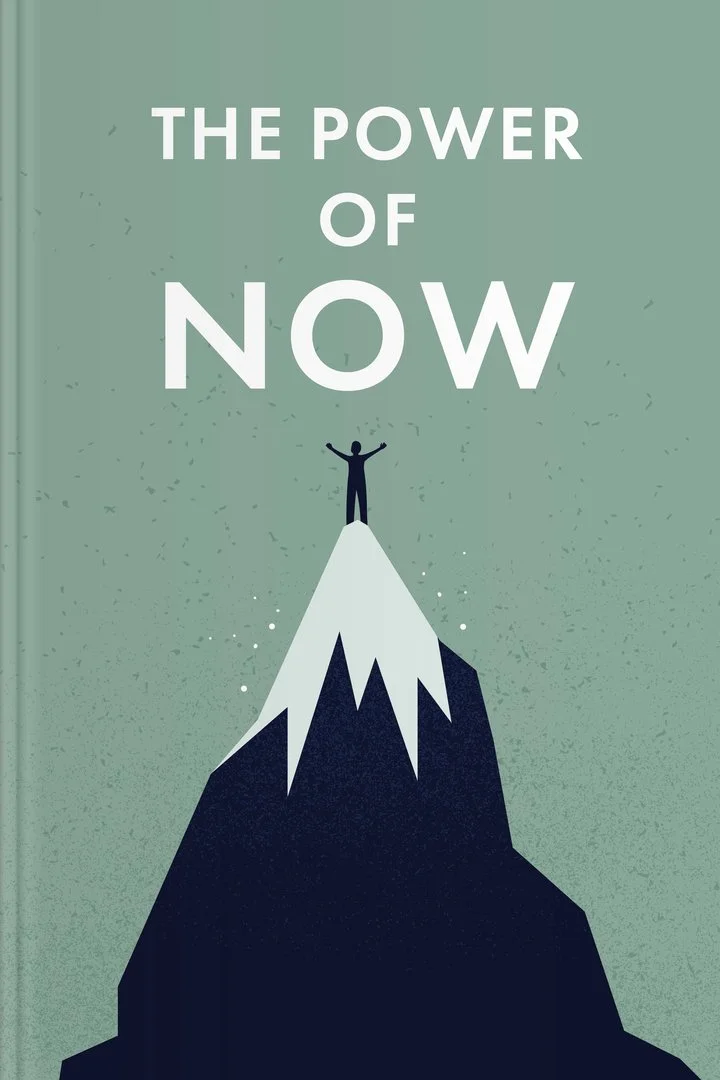
Learning to Appreciate the Present Moment
When I first started digging out of the depths of substance use disorder, one of the books that resonated with me deeply was The Power of Now by Eckhart Tolle.
Recovery has a way of forcing you to confront time in a different way. When you're stuck in addiction, you tend to live either in regret about the past or anxiety about the future. Both can be overwhelming. The idea of simply focusing on the present moment can feel foreign at first.
But that is exactly the central message of The Power of Now: the present moment is the only place where life actually happens.
What the Book Is About
Published in 1997, The Power of Now is often described as a spiritual or philosophical book. Tolle writes about the idea that much of human suffering comes from identifying too strongly with our thoughts, particularly thoughts about the past and the future.
According to Tolle, most of us live inside a constant stream of mental chatter. We replay old situations, worry about things that might happen, judge ourselves, judge others, and construct stories about who we are.
Over time we begin to believe that those thoughts are us.
Tolle challenges that idea. He suggests that beneath all of that mental activity there is a deeper awareness, and that learning to observe our thoughts instead of being controlled by them creates space for peace.
The Simple but Powerful Idea: The Present Moment
The core message of the book is remarkably simple: the present moment is all we ever actually experience.
The past exists only as memories that arise now. The future exists only as thoughts about what might happen later. Everything that actually occurs in our lives happens in the present moment.
Yet most of us spend very little time truly experiencing the moment we are in.
In recovery circles, this idea will sound familiar. Programs often emphasize living one day at a time, which is essentially the same concept expressed in practical terms.
A Note on Critics and Influences
If you spend any time reading about The Power of Now, you'll quickly discover that a lot of people have opinions about Eckhart Tolle, the book, and even the story behind how he came to write it.
Some people love it. Others criticize it.
My suggestion is simple: do not get distracted by that.
Focus on the ideas themselves. If the concepts resonate with you, great. If you want to dig deeper into earlier philosophical or spiritual traditions that explore similar ideas, many of which long predate this book, do that too.
But you do not need to solve the intellectual genealogy of those ideas to benefit from them.
The “Pain Body”
One concept in the book that stands out is what Tolle calls the pain body.
The pain body is essentially accumulated emotional pain that we carry with us from past experiences. According to Tolle, this stored pain can influence how we react to situations in the present moment.
If we are unaware of it, it can drive our behavior.
For people in recovery, that idea will likely sound familiar. Many destructive patterns are driven by unresolved emotional pain or triggers tied to past experiences.
The solution Tolle proposes is awareness. When we observe those reactions instead of automatically acting on them, their power begins to weaken.
Why This Matters in Recovery
While The Power of Now is not a recovery book, many of its ideas align closely with principles that people in recovery learn over time.
For example: focusing on today instead of the entire future, becoming aware of thoughts and emotions before reacting to them, accepting reality rather than fighting it, and learning to sit with discomfort without immediately escaping it.
Those are not abstract spiritual ideas. They are practical skills that many people develop as part of rebuilding their lives.
Appreciating the Time We Have
Another idea that struck me while reading the book is something that becomes clearer as we get older: our time here is limited.
Regardless of what someone believes spiritually, our lives are finite. That realization can either create anxiety or it can sharpen our appreciation for the moment we are in.
If the present moment is the only place where life actually happens, then learning to be more present is not just a philosophical exercise.
It is a way of appreciating the time we have.
We spend so much of our lives mentally elsewhere that we sometimes miss the life unfolding directly in front of us.
A Few Simple Ideas to Experiment With
Notice your thoughts instead of automatically believing them.
Pay attention to your breathing or surroundings.
When you feel stress about the future or regret about the past, bring your focus back to what is happening right now.
Slow down occasionally and experience the moment you are in.
Final Thoughts
The underlying message of The Power of Now is straightforward: peace often comes from learning to be present. For me, that idea resonated deeply during my early recovery. When life felt chaotic and overwhelming, focusing on the present moment made things manageable. Instead of trying to solve the rest of my life, I could focus on right now. And sometimes, that is exactly where the power is.